

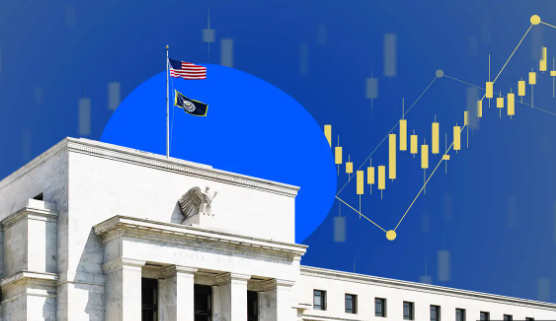
Despite continued pressure from the Trump administration to cut interest rates, the US Federal Reserve decided to maintain the federal funds rate unchanged at its monetary policy meeting, which concluded on the 18th, while also raising its inflation forecast for 2025-2027. Analysts believe that the impact of factors such as tariffs on inflation will largely determine when the Fed will initiate another rate cut.
This is the fourth consecutive time the Fed has maintained interest rates unchanged at its monetary policy meeting. The Fed initiated this round of rate cuts in September 2024. After three rate cuts, which reduced the federal funds rate by a cumulative 100 basis points, it began holding rates steady in January of this year and has remained on hold ever since.
Observers believe that the Fed’s decision to wait and see at the beginning of this year was due to concerns about the uncertainty surrounding the new US administration’s tariff policy, and that its current wait-and-see approach is more about waiting and assessing the actual impact of the tariffs implemented this year on prices.
The Federal Reserve’s Summary of Economic Projections shows that its expectations for US inflation and unemployment rates for 2025-2027 have been raised. Among them, the median forecast for this year’s personal consumption expenditures price index rose to 3% from 2.7% in March, significantly above the Fed’s 2% long-term inflation target.
Federal Reserve Chairman Jerome Powell stated at a press conference on the afternoon of the 18th that short-term inflation expectations have risen in recent months, with consumers, businesspeople, and professionals all citing tariffs as a driving factor. “When it comes to rate cuts, we need to consider the impact of tariffs on inflation, an area with considerable uncertainty.”
Powell said the Trump administration’s tariff policy could lead to both a one-time price increase and a more sustained impact on inflation. It takes time for tariffs to affect end consumers. The impact of tariffs is already beginning to be felt, and is expected to become more pronounced in the coming months. Powell also stated that producers, exporters, importers, retailers, and consumers along the supply chain are all trying to avoid the impact of tariffs, but someone will ultimately foot the bill.
Federal Reserve Board Governor Adrienne Kugler recently stated that most monetary policymakers are currently most concerned about inflation, followed by slowing economic growth.
While Federal Reserve officials generally expect two rate cuts this year, analysts believe the Fed may struggle to cut rates in the short term given the expected impact of tariffs on inflation and geopolitical conflicts driving up oil prices.
Simone Dancourt, fixed income macro strategist at Goldman Sachs Asset Management, predicts the Fed will maintain interest rates unchanged at its July meeting, but could cut later this year if the job market continues to weaken.